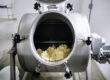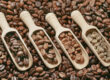
The roasting of beans takes place in a machine specially designed for this – a coffee roaster (a rotating drum that mixes the beans). First, the beans are heated to the desired temperature, and at the end, they are cooled with cold air. Types of coffee roasting are determined by the color of the beans, the roasting time, and the temperature maintained during roasting.
Under the influence of high temperatures, the following processes occur with coffee beans:
- Drying stage. The coffee bean becomes larger, and moisture is lost.
- Browning stage. The beans become darker in color due to a complex chemical reaction during which sucrose caramelizes.
- Development stage. The pleasant coffee aroma is due to the caffeol. This substance is also obtained during the process of roasting beans.
- Roasting stage. The whole structure of the beans changes and essential oils come out.
The change in coffee beans during roasting is called pyrolysis. The beans grow in size and acquire a dark color and a specific coffee smell, and oils are released that make the drink aromatic. While oils are released during roasting, the more intense the taste and smell of coffee brewed from beans.
There is a special term called “cracks” in roasting coffee beans. The degree of coffee roasting is determined by a number of cracks (a distinct crackling of beans during the transformation of sucrose into carameline and the active release of oils to the surface of the beans):
The beans acquire a characteristic smell during the “first crack”, but the color remains light. The caramelization process begins.
During the “second crack”, the maximum amount of oils are released, a distinct smell of coffee appears, and the beans darken.
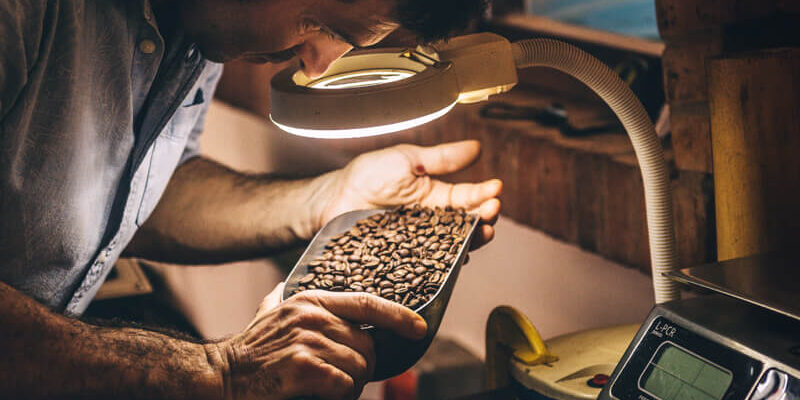
Bean roasting professionals know that each variety requires specific conditions, from roasting times and cycles to maintaining a particular temperature. Then the beans will reveal their unique aroma and taste. Likewise, different beans with the same degree of roasting will differ in taste and smell.